Introduction to Your Cannabis Grow Guide
We realize that sometimes growing cannabis can seem daunting at first. But like most things in life, it’s just a question of taking it one step at a time and following a good guide. We have more than 25+ years of experience breeding and selling top-quality strains. We’ve taken our knowledge of growing and created this handy growguide for all of our growers throughout the world.

If you have any questions about growing cannabis,
feel free to reach out with your growing questions, we’re here to help! If you have any doubts about your grow, for example why your leaves are turning yellow, or are you watering it too much/not enough, or any other question, we suggest you join the wonderful community over at
Grow Diaries. On this page, you can document your grow step by step and reach out to the community for any doubts you may have along the way! You’ll get expert help for your cannabis growing, free of cost!
How to Grow Marijuana From Seed: The Basics
So, how does one go about it in growing marijuana from seed? It could be a straightforward process, but undoubtedly, it won’t hurt if we debunk some of the details to the entirety. Follow these dependable steps:
1. Select the cannabis seeds that best suit you
It could be you are in a mountainous climate. So, the best thing to go about it is by choosing the cannabis seeds that best fit that climate. Now, you will need to research and find the weed seeds that do well in harsh weather, and in this case, strains such as the
AMS Afghan will best fit you.
Necessarily, your personal preference undeniably comes handy here. You need to think of growing marijuana from seed provided those seeds suit the weather patterns, the conditions to get solved, and your experience level.
2. Prepare for Seed Germination
It is overwhelming to talk about how to grow marijuana from seed if there is no assurance that the factors that necessitate the ideal germination get cross-checked. These comprise water, temperature/humidity, air, growing medium, light, and nutrients.
3. Germinate your cannabis seeds
There are different ways to germinate cannabis seeds, as you will see in
this guide. This 420 grow guide guide is literally what you need to keep going and fulfill your pot cultivation. Basically, anything you need to achieve, seeing weed at your farm, is incorporated in that marijuana growing guide. Including do’s and don’ts. A very useful walkthrough to grow your seeds and to review your methods if you are more experienced.
Chapter 1: Types of Cannabis & Their Effects
Cannabis Indica, Cannabis Sativa, and Cannabis Ruderalis are three species of the genus cannabis. They all belong in the group of plants that have psychoactive properties. However, they differ in both their effects on the user and the way they look.

Characteristics of Main Cannabis Species
Cannabis Sativa
Cannabis Sativa grows the tallest of the three. Their buds are airy and they have thin pointed leaves. When you see the signature picture of a cannabis leaf, it is usually the Sativa dominant leaf. Since they grow the biggest, they normally also have the largest yields. The effects you can expect from consuming a sativa dominant strain are energizing, uplifting, increased creativity, cerebral head buzz, increased focus, promotes a general feeling of wellness, and reduced nausea.
Cannabis Indica
Cannabis Indica can be recognized by their short, bushy, and stocky stature. Their leaves are fan-like and the fingers of the leaves are broad. They normally have good genetics to grow thick dense buds. Indica strains are known to have higher CBD content than Sativas.

Cannabis Ruderalis & Autoflowers
Cannabis Ruderalis is the smallest of the three, and it has narrow palmate-shaped leaves. What really sets cannabis Ruderalis apart is that it switches automatically from the vegetative phase to the flowering stage with age instead of needing the schedule of 12 hours of light, 12 hours of darkness. It also has a shorter growth period so you can have quicker and more harvests per year. These things make it popular with beginners and those without an ideal climate or grow space. Ruderalis does not have a psychoactive effect in itself.
It has been interbred with sativa and indica plants to take on their psychoactive traits but still remains
autoflower after crossbreeding. Even though these three species, Sativa, Indica, and Ruderalis come from distinct separate families of cannabis they can all be interbred. In fact, most strains today are hybrid strains. This has allowed breeders to create incredible strains with customized traits.
Chapter 2: Selecting the Right Seeds
After you have chosen which type of cannabis suits your needs you will then have to decide which kind of
marijuana seeds you want to buy,
regular, or
auto-flower. Once you understand the difference between the three then it will be easy to decide which one you’ll want to grow.
Types of Cannabis Seeds Available
Feminized Seeds
The most popular kind of seed is feminized and for good reason. Only female seeds produce the cannabinoid-rich sensimilla buds that growers harvest and you like to smoke.
Feminized seeds are produced in, a special way so that they only produce female seeds. Buying feminized seeds will take the work out of determining the gender of your plant and save you a lot of time and space.

Regular Seeds
Regular seeds are a mix of male and female seeds. Naturally, cannabis plants produce a ratio of 50% male to female seeds. There is no way of telling if the plant will be male or female before the flowering phase. Male plants are only useful to breeders. You will find that regular seeds are less expensive than the feminized ones.

Autoflower Seeds
Autoflower seeds are female seeds with the genetics of cannabis Ruderalis to make the plants flower automatically with age. With auto-fem seeds, you get the benefit of feminized seeds along with the benefits of Ruderalis plants. They are easier to grow, they have a short growth period, and they are great for stealthy growing due to their small size.
Chapter 3: The Life Cycle of the Cannabis Plant
Knowing how to grow marijuana, begins with understanding the life cycle of this plant. The life cycle of a marijuana plant consists of incredible changes that allow it to go from a small seedling to a large bushy plant with flowers that you can smoke.
The Four Stages of Growth
A. Germination Stage
The cannabis plant life cycle begins with high-quality seeds. The seed of the marijuana plant is dormant and needs water to bring it to life. This process is called germination and can start anywhere from 24 hours and can take up to 7 days and sometimes even more.
B. Seedling Stage
Specific traits define a seedling plant. It must have developed a stable root system and true leaves. During this stage, a seedling will grow anywhere from 4 to 8 leaves. A cannabis plant can stay in the seedling stage for a broad range of time but normally around 3 weeks.
C. Vegetative Stage
The next stage in the marijuana plant life cycle is the vegetative stage; this is when the marijuana plant really begins to take off. In this stage, the plant starts to show big jagged leaves and produces much more foliage since it is now able to absorb and process much more nutrients and carbon dioxide.
D. Flowering Stage
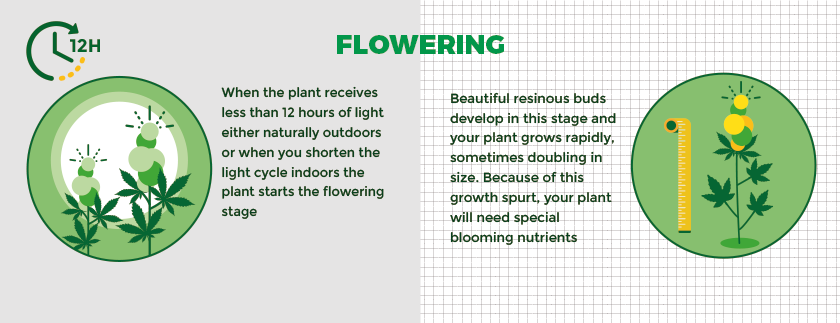
The flowering stage is the final stage of the marijuana plant. It’s the one every grower anticipates the most. When the plant receives less than 12 hours of light either naturally outdoors or when you shorten the light cycle indoors the plant starts the flowering stage.

Chapter 4: Choosing Strains for Your Climate
At this point, you may be questioning which seeds are best for your climate. Sativa, Indica, or what type of cannabis should you plant that will prosper best where you live?
Understanding Your Local Climate
You should become familiarized with the climate you plan on growing in. I mean, not just knowing from living in it, but learn about the yearly average temperatures and weather patterns. The temperature, exposure to sunlight, seasonal changes, and altitude all play an important role in your marijuana plant’s life cycle. Most often, March and April will be the best time to start germinating.
Species Preference by Climate
Best Climate for Indica Strains
Indica cannabis strains originated in areas around Morocco, Tibet, Kashmir, and Afghanistan. Because Indicas have a shorter growing season than Sativas, they are perfect to grow in areas that have short summers.

Best Climate for Sativa Strains
Sativa strains vary greatly from Indicas. They originated from tropical places like Thailand, Colombia, and Mexico. Ideally, locations between 30 degrees North and 30 degrees south of the equator are where they flourish best.
Chapter 5: Equipment Needed for Growing
Most cannabis growers prefer to cultivate their plants indoors following the unpredictable weather patterns at different times of the year.
Core Indoor Growing Requirements
- A Grow Room: Tents or dedicated rooms for environment control.
- High-Quality Seeds: Amsterdam Marijuana Seeds offers the finest genetics.
- Planting Pots & Mediums: Soil, coco, or hydroponics.
- Watering Equipment: Filters and vessels for clean water.
- Lighting Equipment: Essential for indoor photosynthesis.
- Thermometer: To monitor temperature levels.
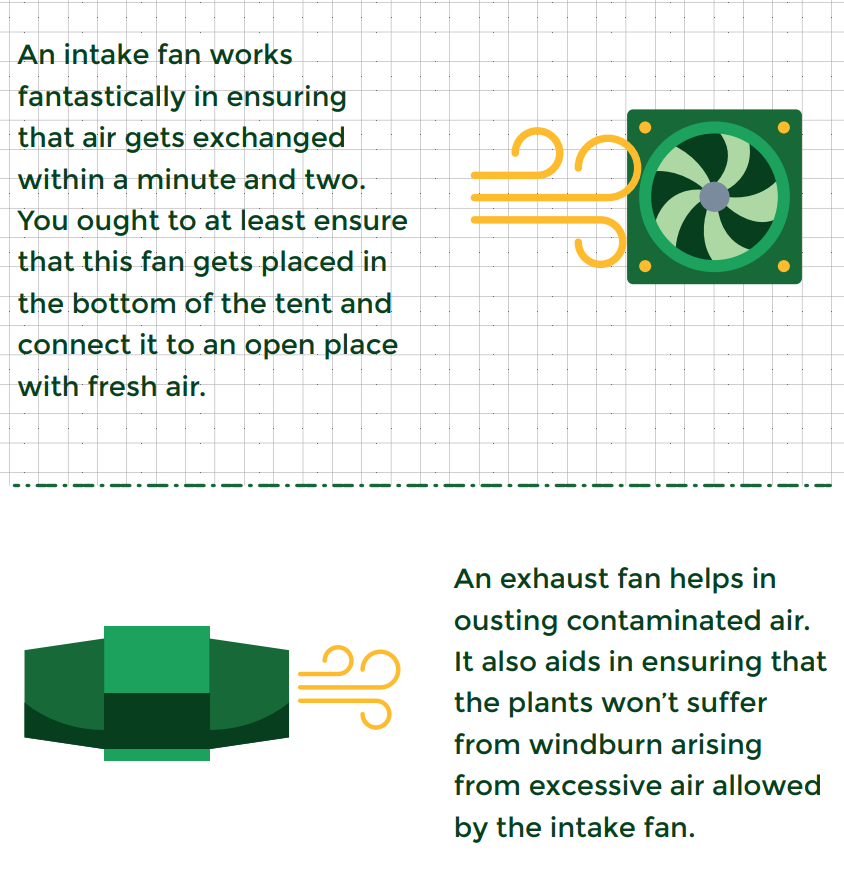
- Ventilation: Fans and carbon filters for air exchange and odor control.
Chapter 6: Germination Deep Dive
The first job of a grower after obtaining the seeds is germination. This is a very important step because if it’s done poorly then you end up with expensive seeds and no plants.
Paper Towel Method Instructions
To germinate cannabis, buy seeds backed by good genetics. We recommend the paper towel method:
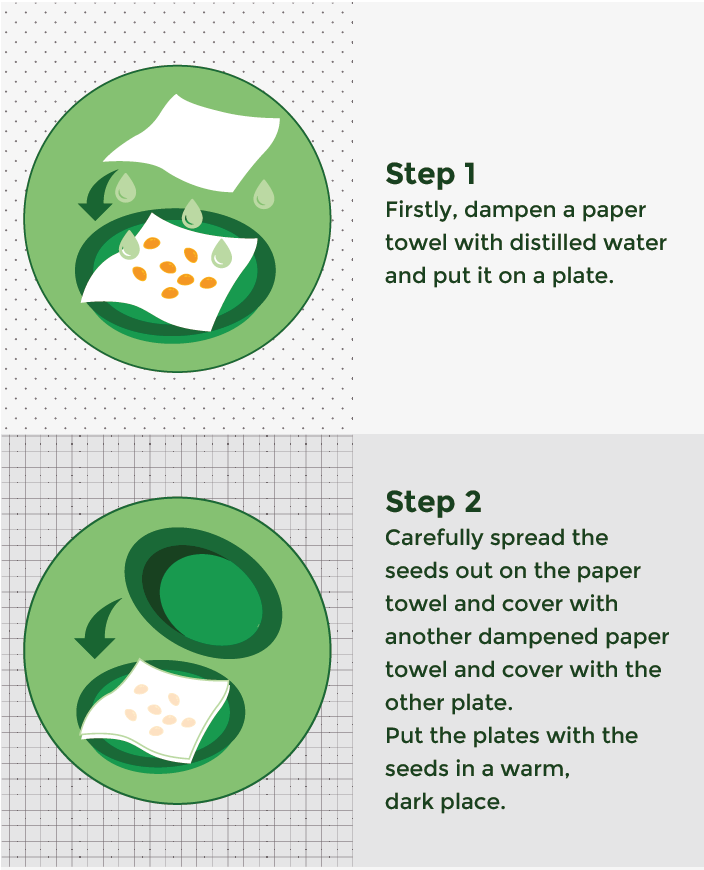
- Dampen a paper towel with distilled water and put it on a plate.
- Spread the seeds out and cover with another dampened paper towel.
- Put the plates in a warm, dark place (22-25 degrees Celsius).
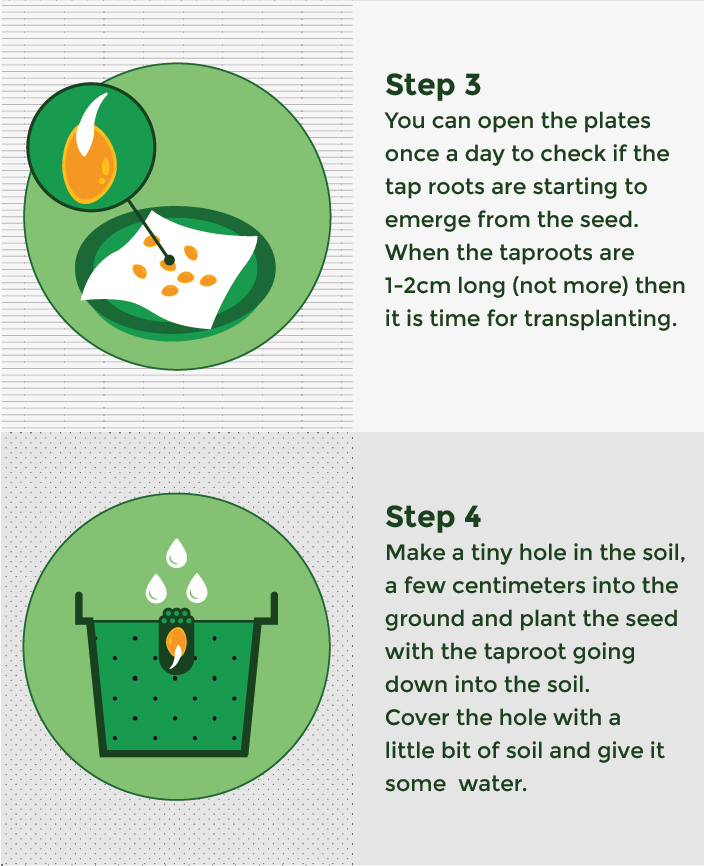
- Check daily for taproots (1-2cm long).
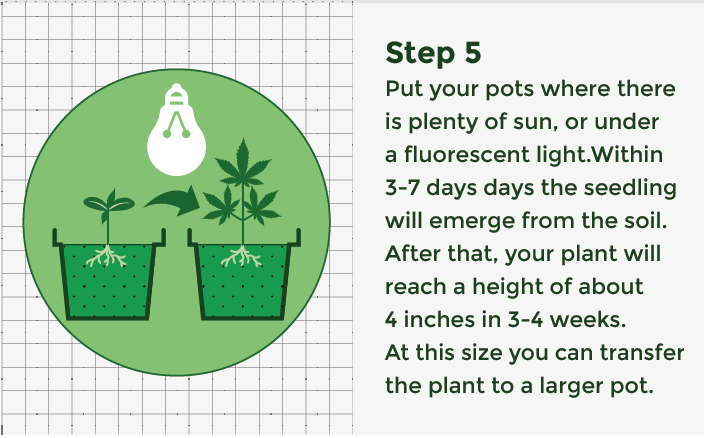
- Transplant carefully into soil-filled pots.


Chapter 7: Soil, Containers, and Transplanting
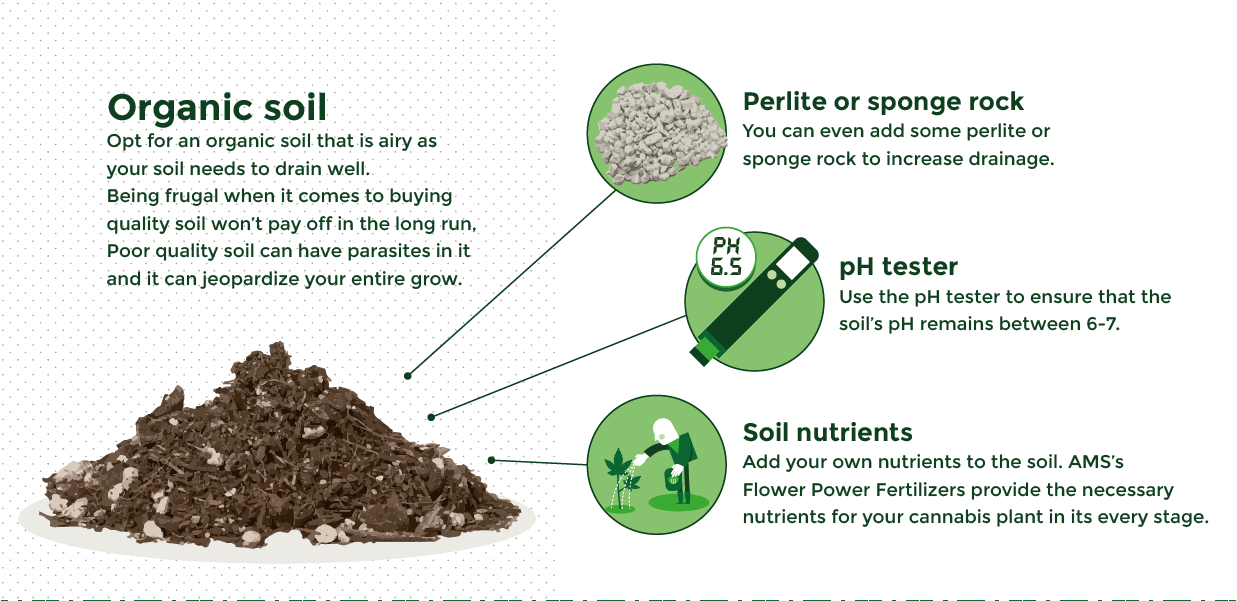
Your growing medium is another important part of your setup. Opt for organic soil that is airy as your soil needs to drain well. Use a pH tester to ensure that the soil’s pH remains between 6-7.

Transplanting Guidelines
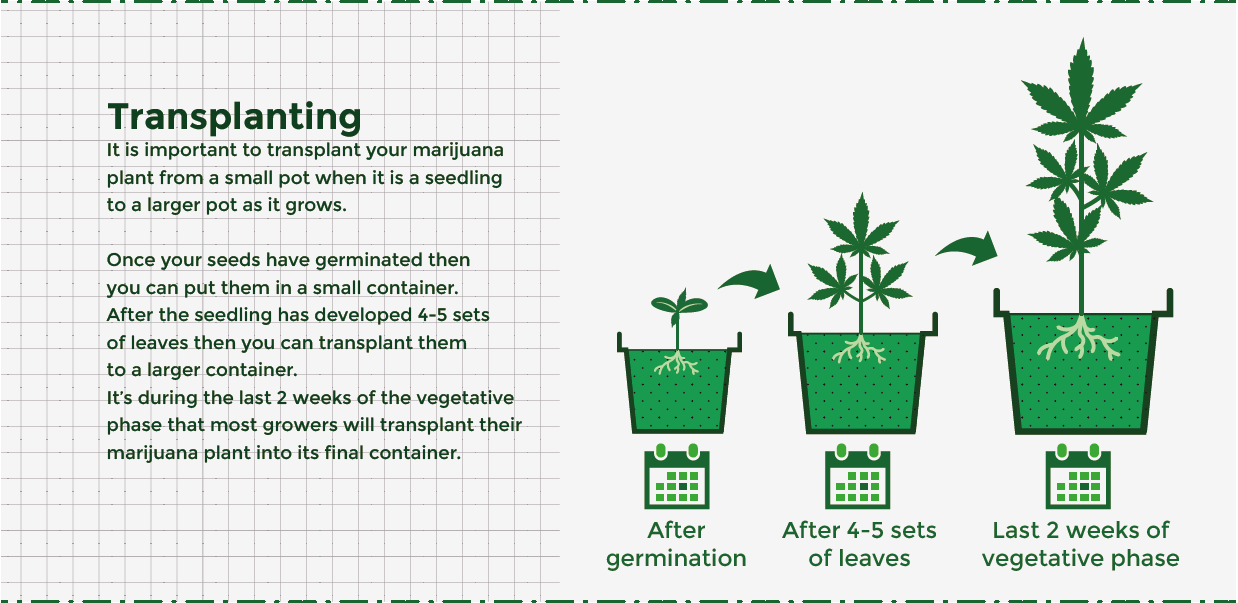
It is important to transplant your marijuana plant from a small pot when it is a seedling to a larger pot as it grows.

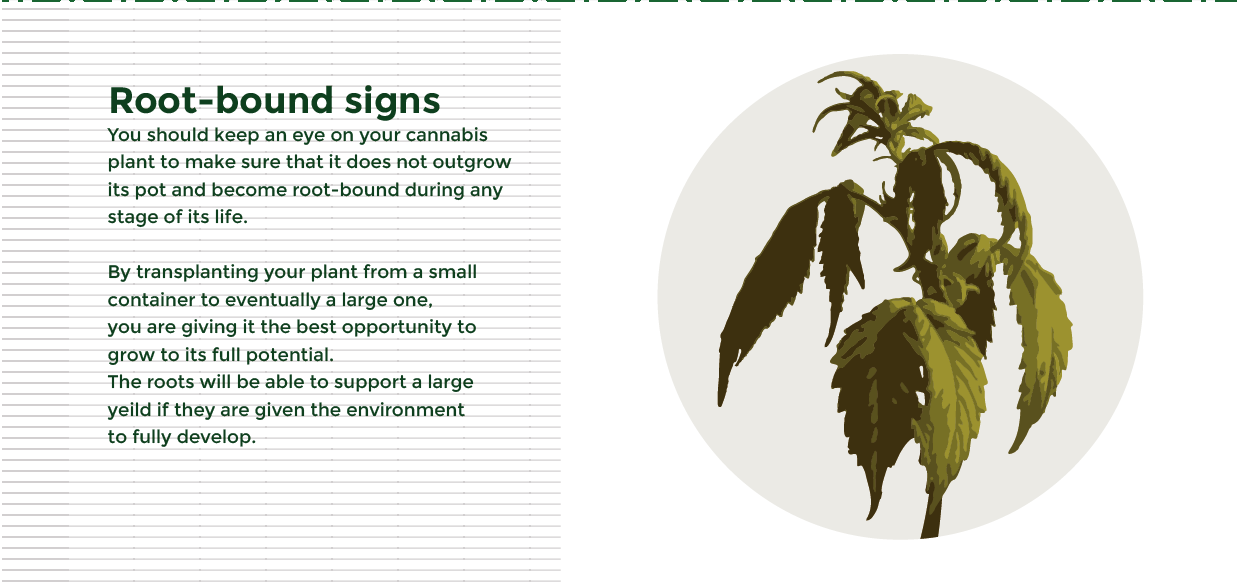
Signs Your Plant is Rootbound
- Red stems and stunted growth.
- Nutrient sensitivity and wilting.
- Small bud production.

Chapter 8: Water and pH Importance
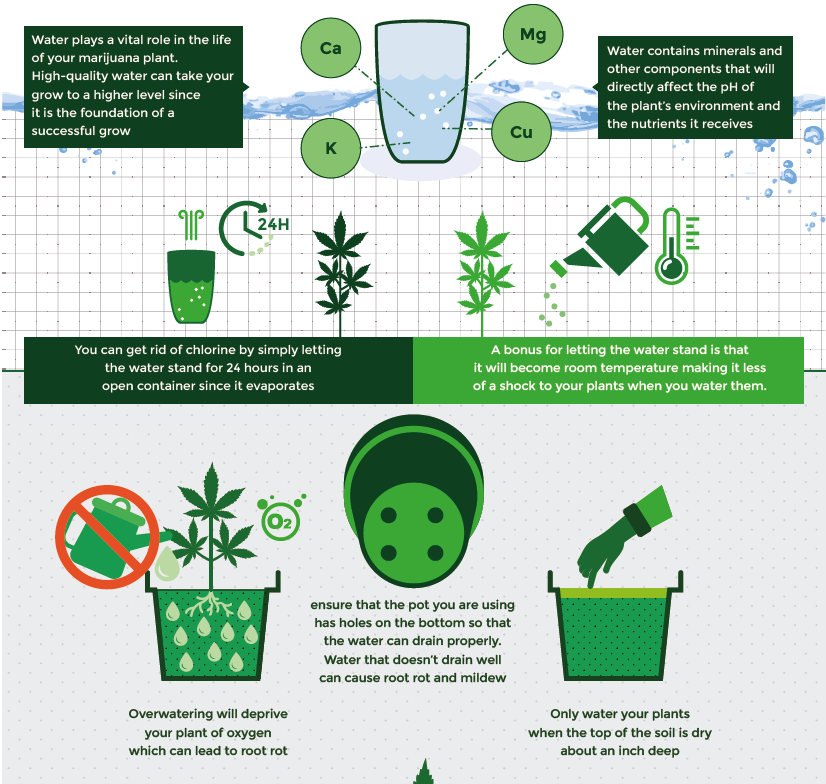
Water contains minerals and other components that will directly affect the pH of the plant’s environment and the nutrients it receives.

How to Maintain Correct pH
Marijuana plants like a pH between 6 – 7. If you can get it around a 6.5 then it is best.
- To raise pH: Add powdered lime to water.
- To lower pH: Add vinegar to water.
Chapter 9: Light and Lamps
Cannabis plants require sufficient amounts of light. The more light, the more the plants get bound to give fantastic yields.
Types of Indoor Grow Lights
- HID (High-Intensity Discharge): Traditional and efficient.
- LED (Light Emitting Diode): Modern, effective, and cooler.
- CFL (Compact Fluorescent Lamps): Best for early stages.
Optimal Light Spectrum
- Vegetative Phase: Blue light (460nm) for healthy foliage.
- Flowering Phase: Red light (660nm) for large buds.
Chapter 10: Temperature, Humidity, and Ventilation
Growing potent cannabis plants incorporates mastering the art of having these inseparable factors.
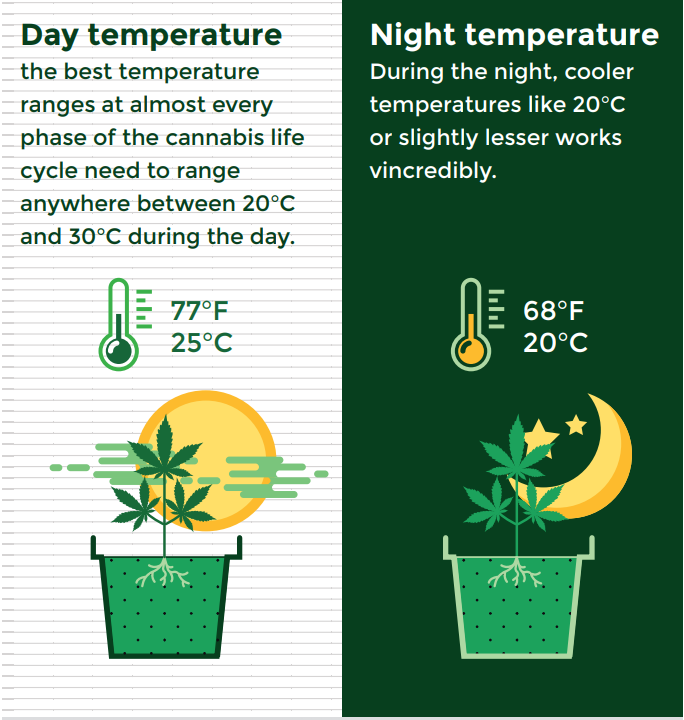
Ideal Temperature Settings
- Daytime: 20°C to 30°C.
- Nighttime: Approx. 20°C or slightly cooler.

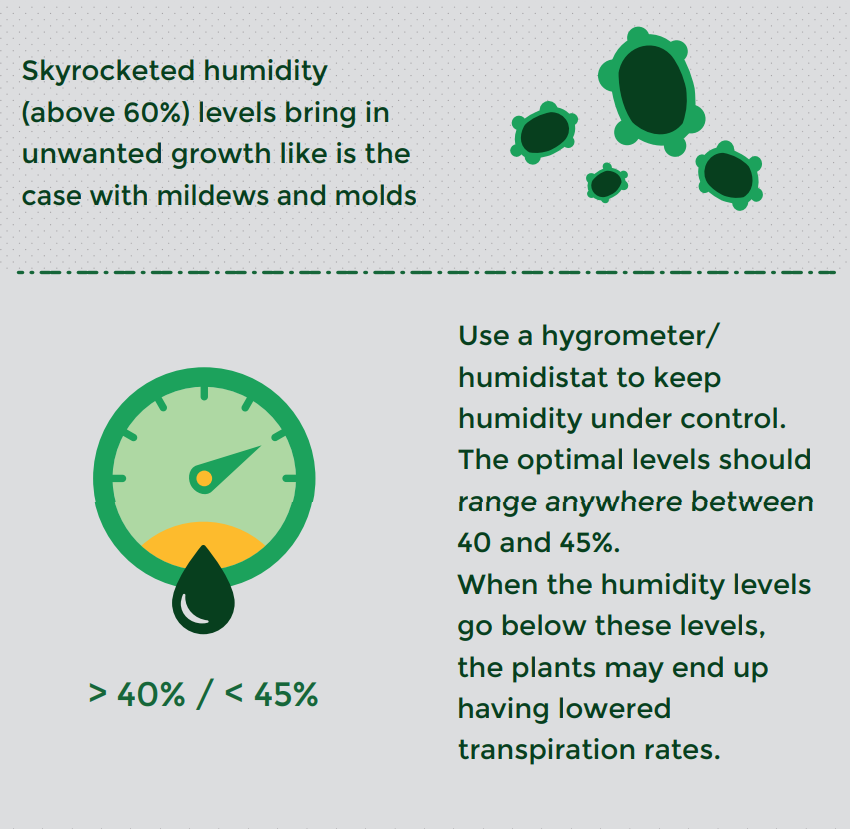
Humidity & Airflow Control
The optimal humidity levels should range anywhere between 40 and 45%. Air exchange is critical to prevent pathogens.


Chapter 11: Nutrients Needed for Growth
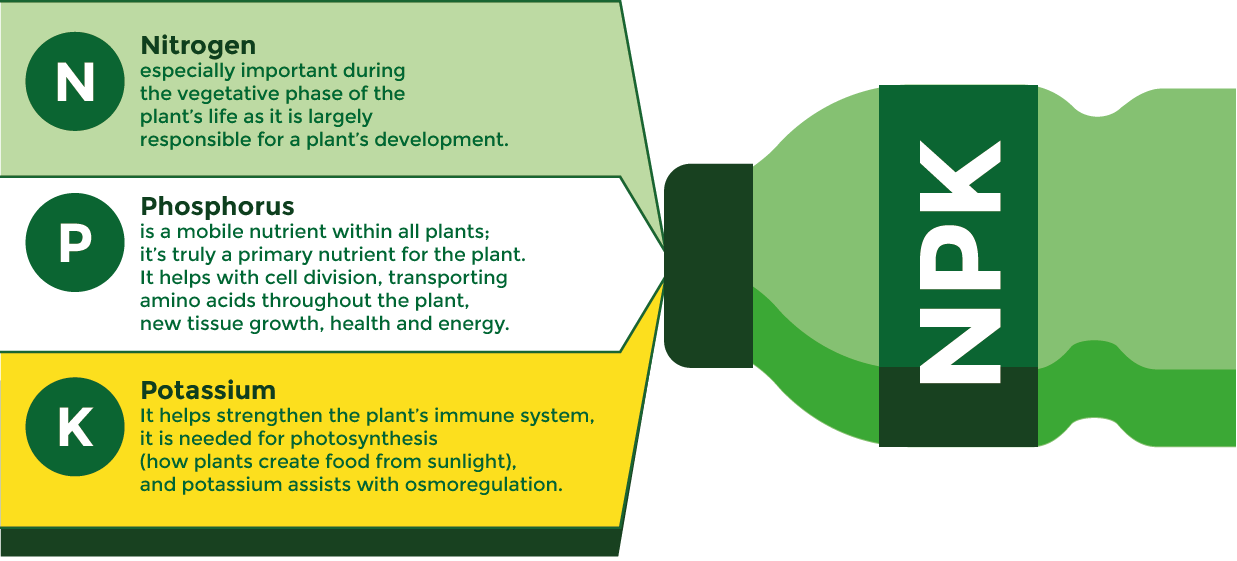
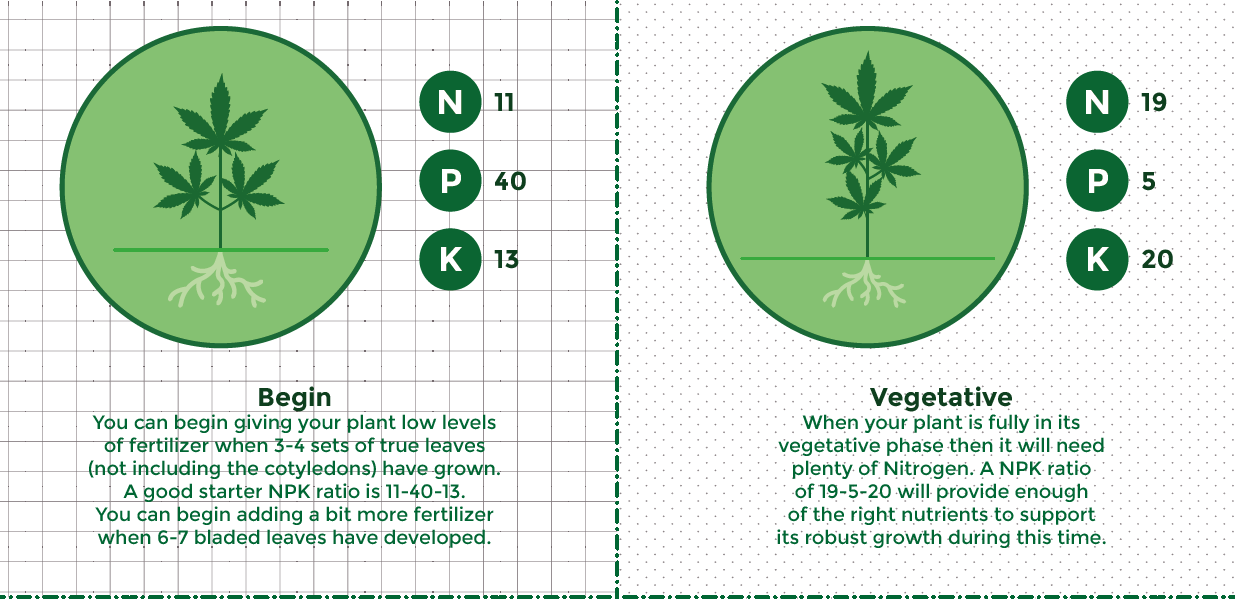
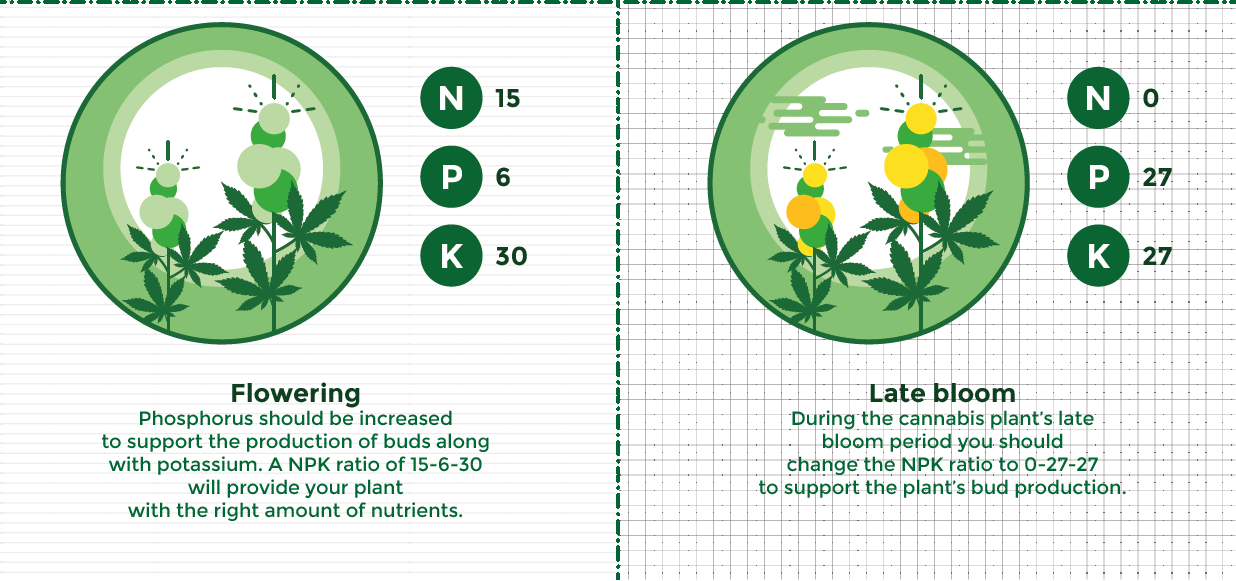
Just like humans, marijuana plants need specific nutrients (N-P-K) to live a healthy life.
The Role of N-P-K
- Nitrogen (N): Crucial for development and chlorophyll during vegetation.
- Phosphorus (P): Vital for tissue growth and bud production.
- Potassium (K): Strengthens immune system and aids photosynthesis.


Chapter 12: Mildew, Pests, and Diseases
Infestations can quickly ruin your harvest. You should take care of pests as soon as possible.
Common Cannabis Pests & Pathogens
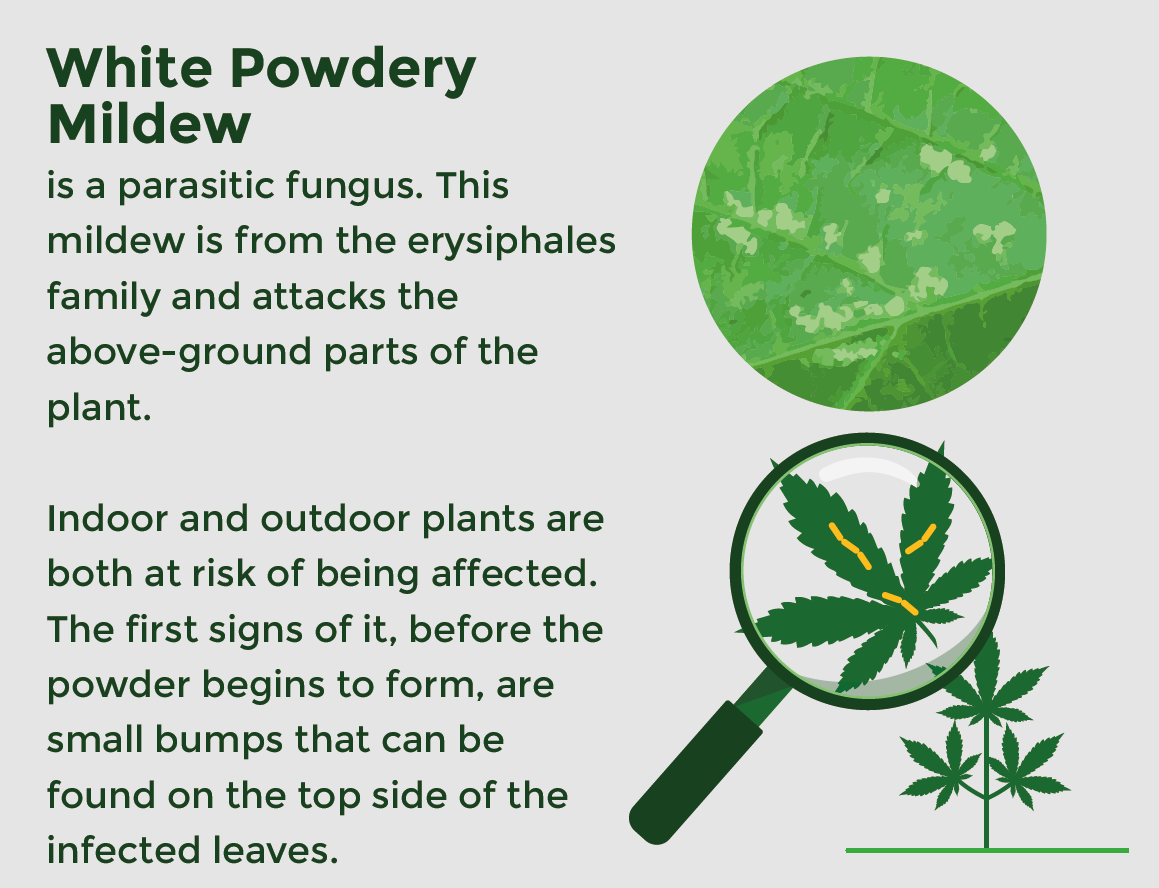
White Powdery Mildew
A parasitic fungus that appears as small white bumps or powder on leaves. Treat with apple cider vinegar or a milk/water solution.

Spider Mites
Tiny arachnids that spin webs and eat chlorophyll. Can populate rapidly and destroy a crop.
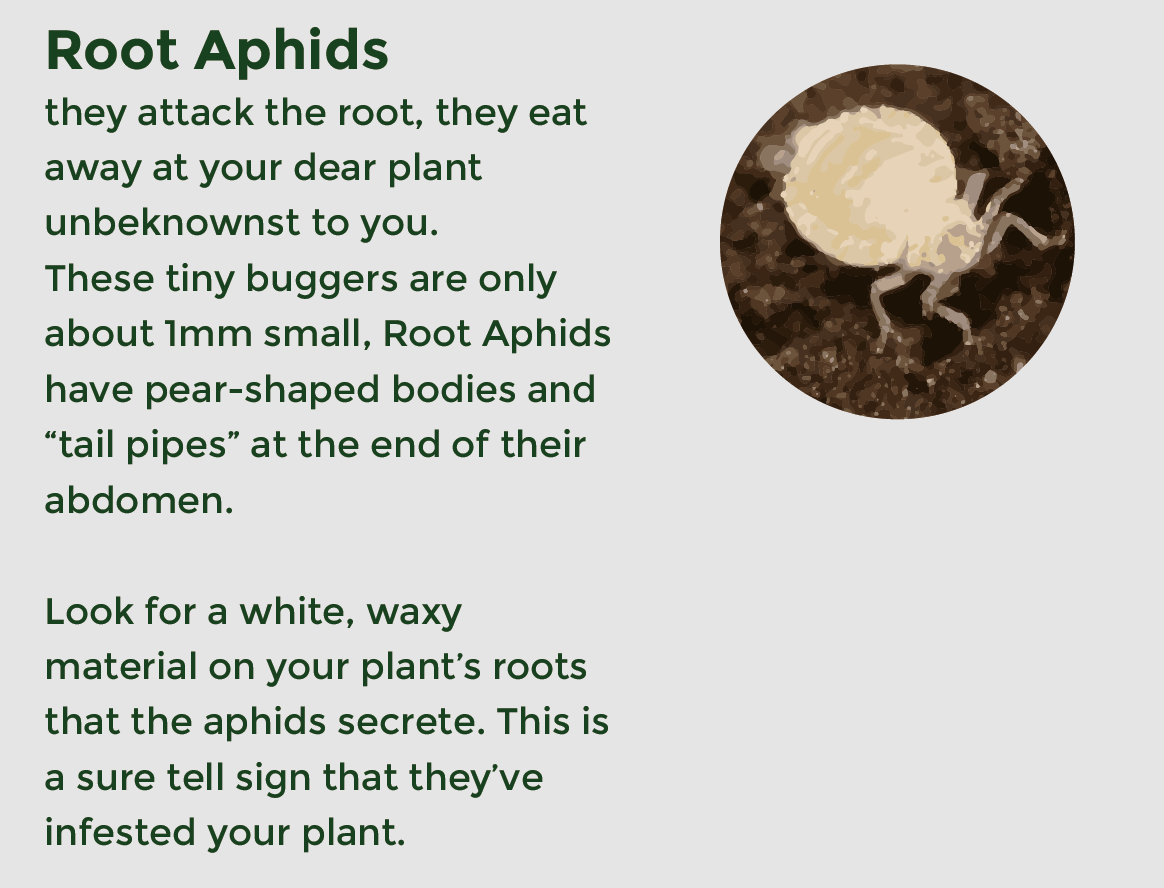
Root Aphids
Thieves that attack the root system, causing stunted growth and yellow leaves.

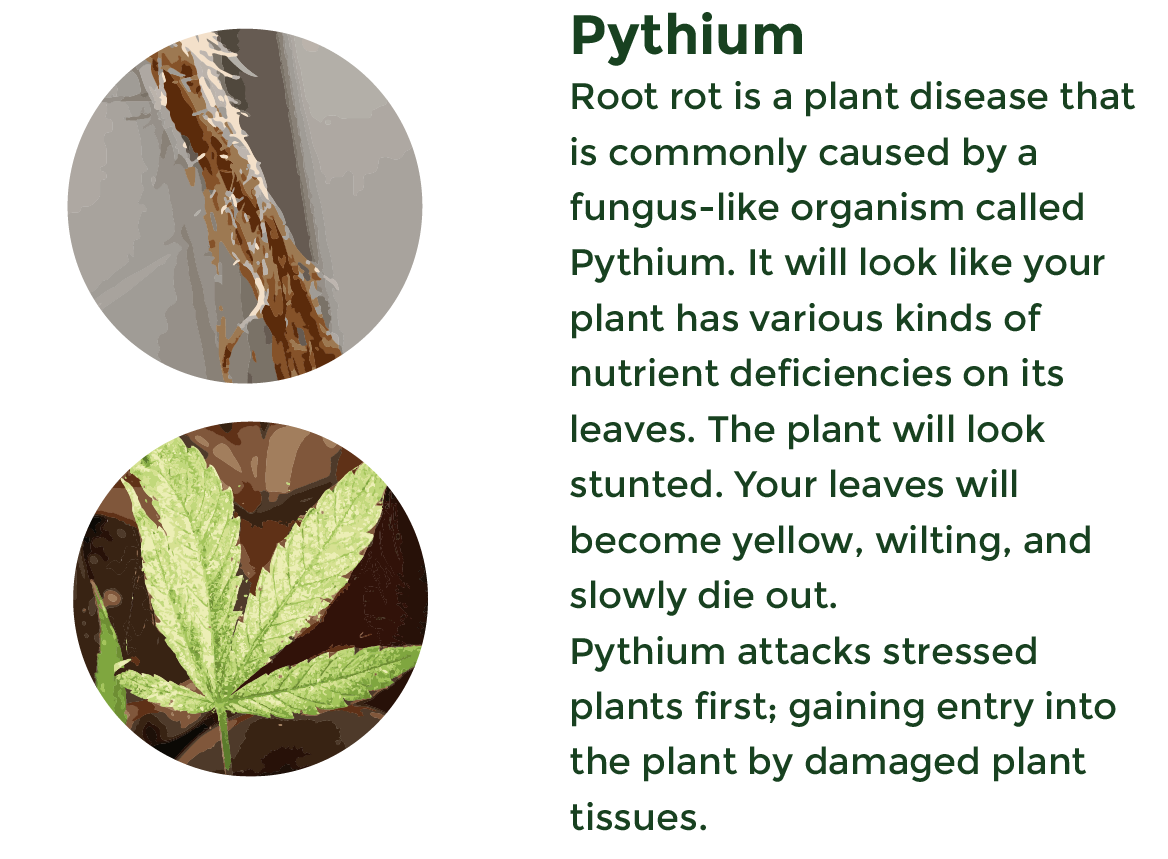
Root Rot (Pythium)
A disease caused by fungus-like organisms, common in hydroponics or overwatered soil.

Chapter 13: Growing Hydroponically
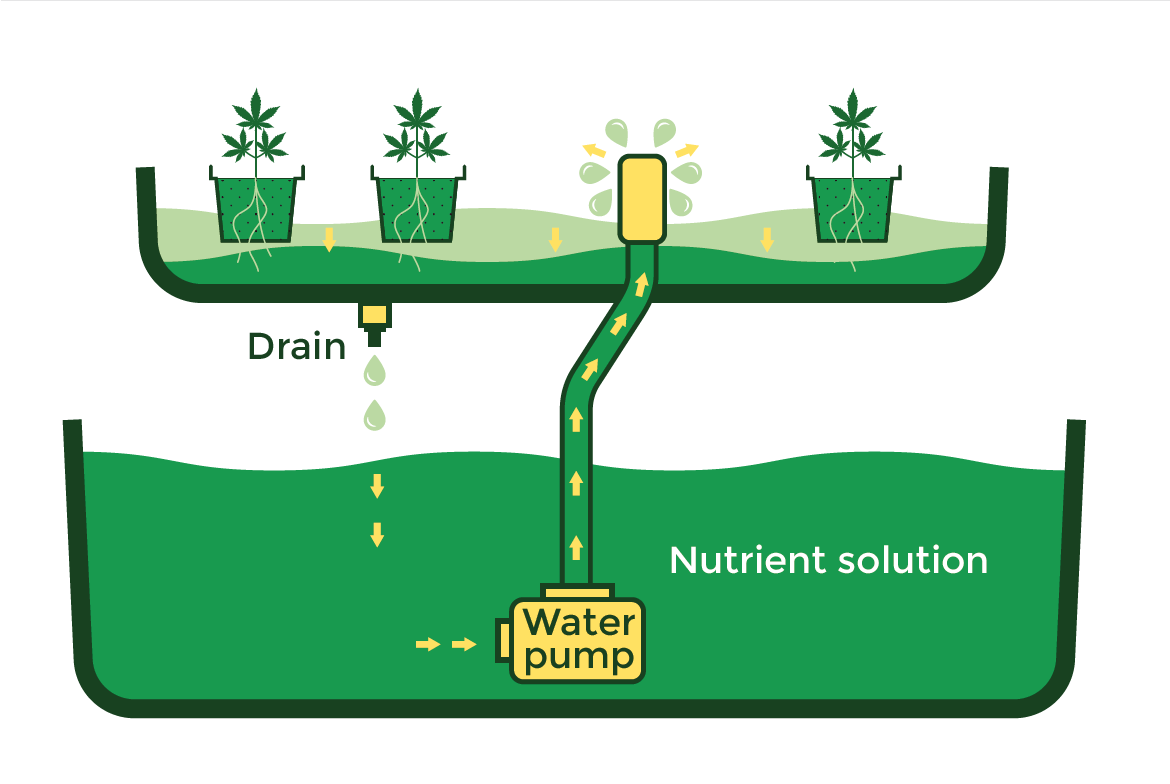
Hydroponics is a system of growing plants in a nutrient solution made up of water and fertilizer.
Benefits of Hydroponic Growing
- 30%-50% faster growth rate.
- Greater yields.
- Fewer soil-born diseases.


Chapter 14: Pruning, Topping, and Super-Cropping
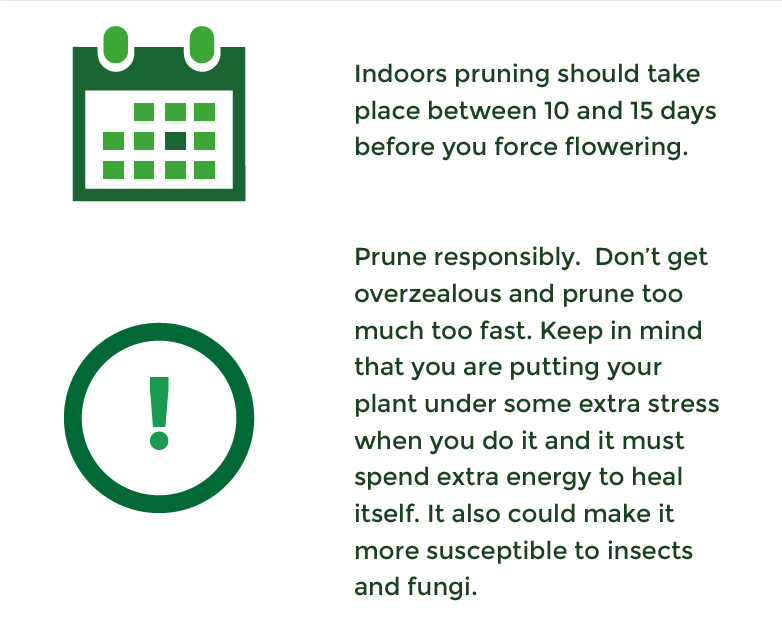
Pruning means manipulating your marijuana plant by cutting or bending it to grow a specific way that will give you more and better buds.
Key Training Techniques
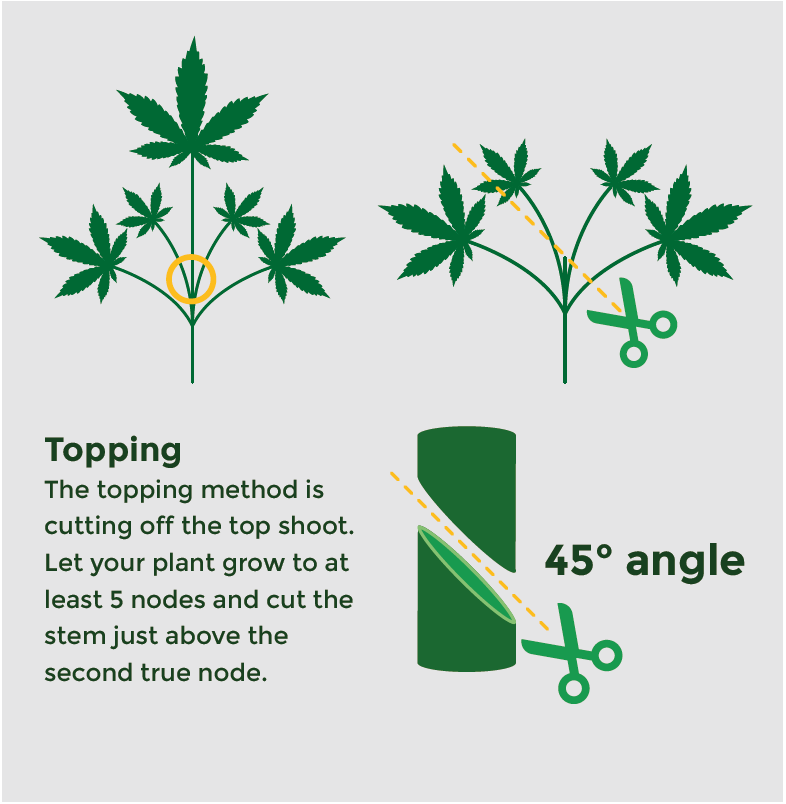
Topping Method
Cutting off the top shoot to encourage the plant to create multiple colas.

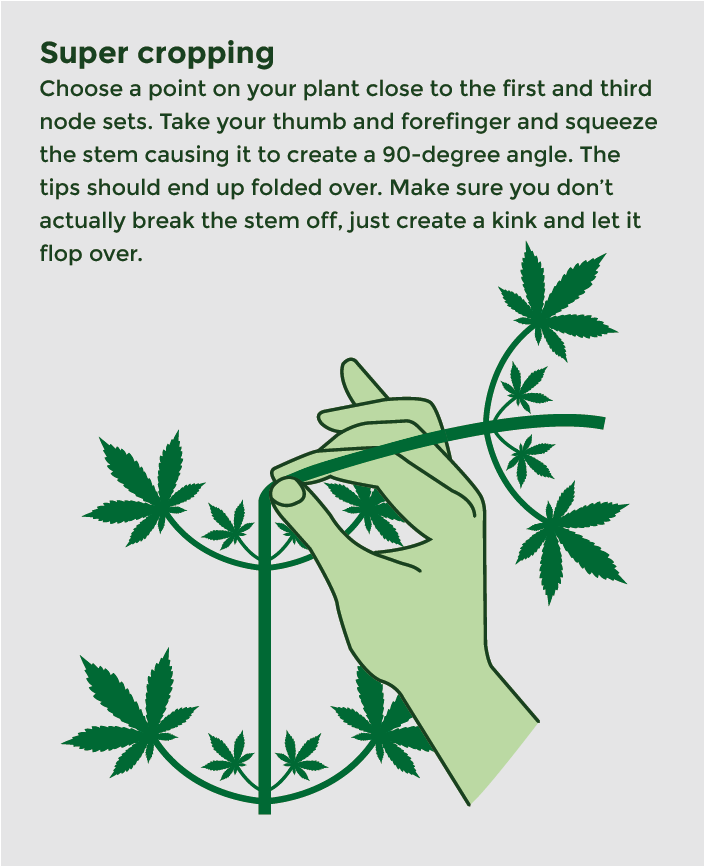
Super Cropping
Bending the stem at a 90-degree angle to break down tissue and encourage stronger growth.


Chapter 15: Harvesting and Curing
The final phase determines the quality of your smoke.
The Importance of Flushing
Flushing your plants 10-14 days before harvest gets rid of excess nutrient buildup, ensuring a smooth smoke.
Trimming Methods
- Wet Trim: Trimming immediately after cutting. Faster and cleaner.
- Dry Trim: Trimming after the plant has dried. Slows down the drying process.
Drying and Curing for Potency
Slow drying allows enough time for pigments like chlorophyll to deteriorate, improving taste. Curing in glass jars for a few weeks finalizes the THC conversion.
Seed Storage for Future Grows
To keep your seeds from germinating prematurely, avoid moisture, light, and warm temperatures. Store in an airtight container with silica gel in a cool place like the back of the fridge.
Subscribe for More Expert Growing Advice
Growing your precious cannabis seeds into healthy plants takes time and experience. Subscribe to the AMS newsletter for more info and the best deals.
Get in contact with us today


 If you have any questions about growing cannabis, feel free to reach out with your growing questions, we’re here to help! If you have any doubts about your grow, for example why your leaves are turning yellow, or are you watering it too much/not enough, or any other question, we suggest you join the wonderful community over at Grow Diaries. On this page, you can document your grow step by step and reach out to the community for any doubts you may have along the way! You’ll get expert help for your cannabis growing, free of cost!